A Place to Belong – New Zealand Multicultural Arts & Sport Centre
By Eva Chen (ANCAD)
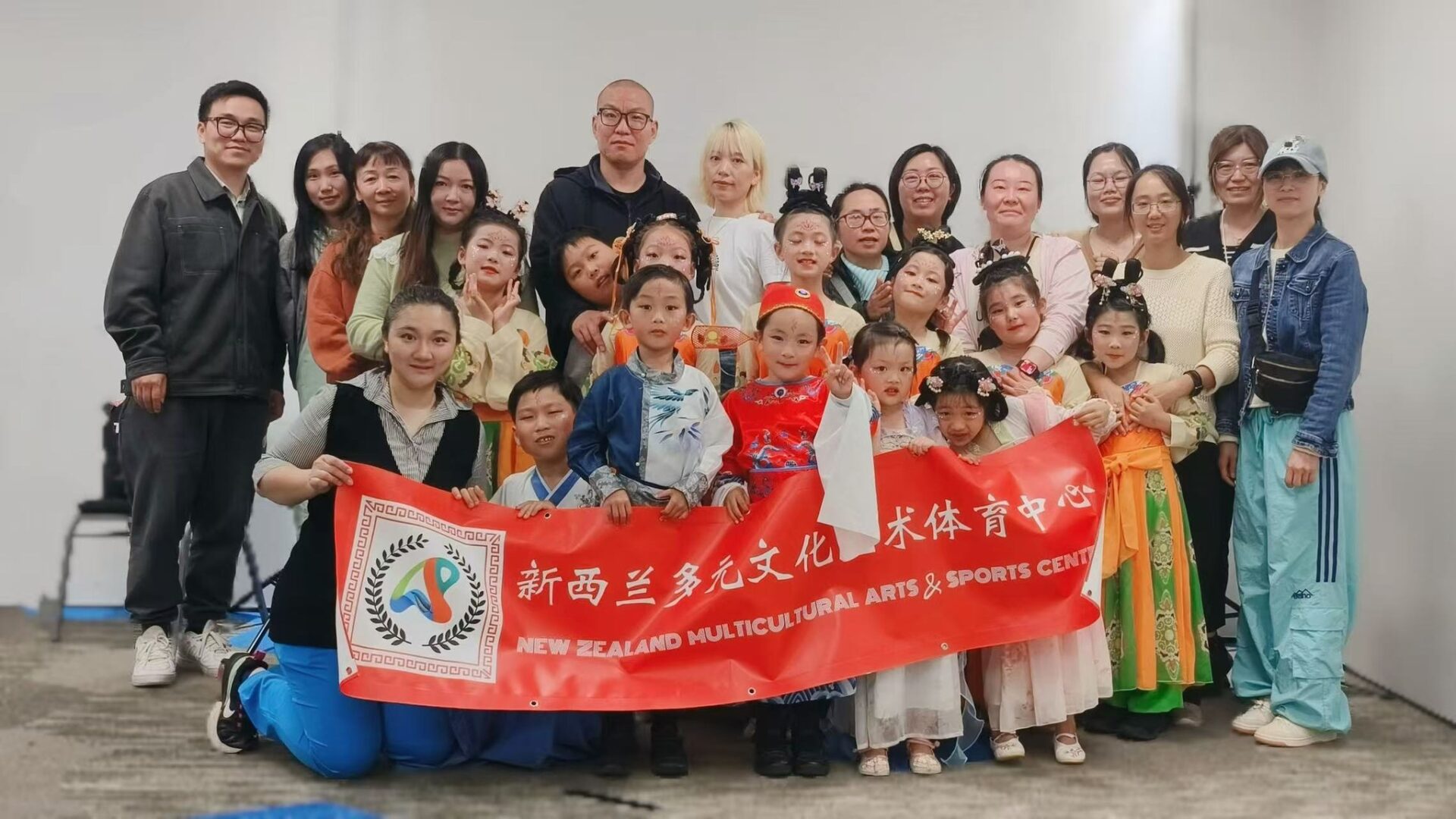
Although newly registered, the Centre has been working at grassroots level for over six years to support children and young people to stay connected with Chinese culture and to build belonging in Aotearoa.
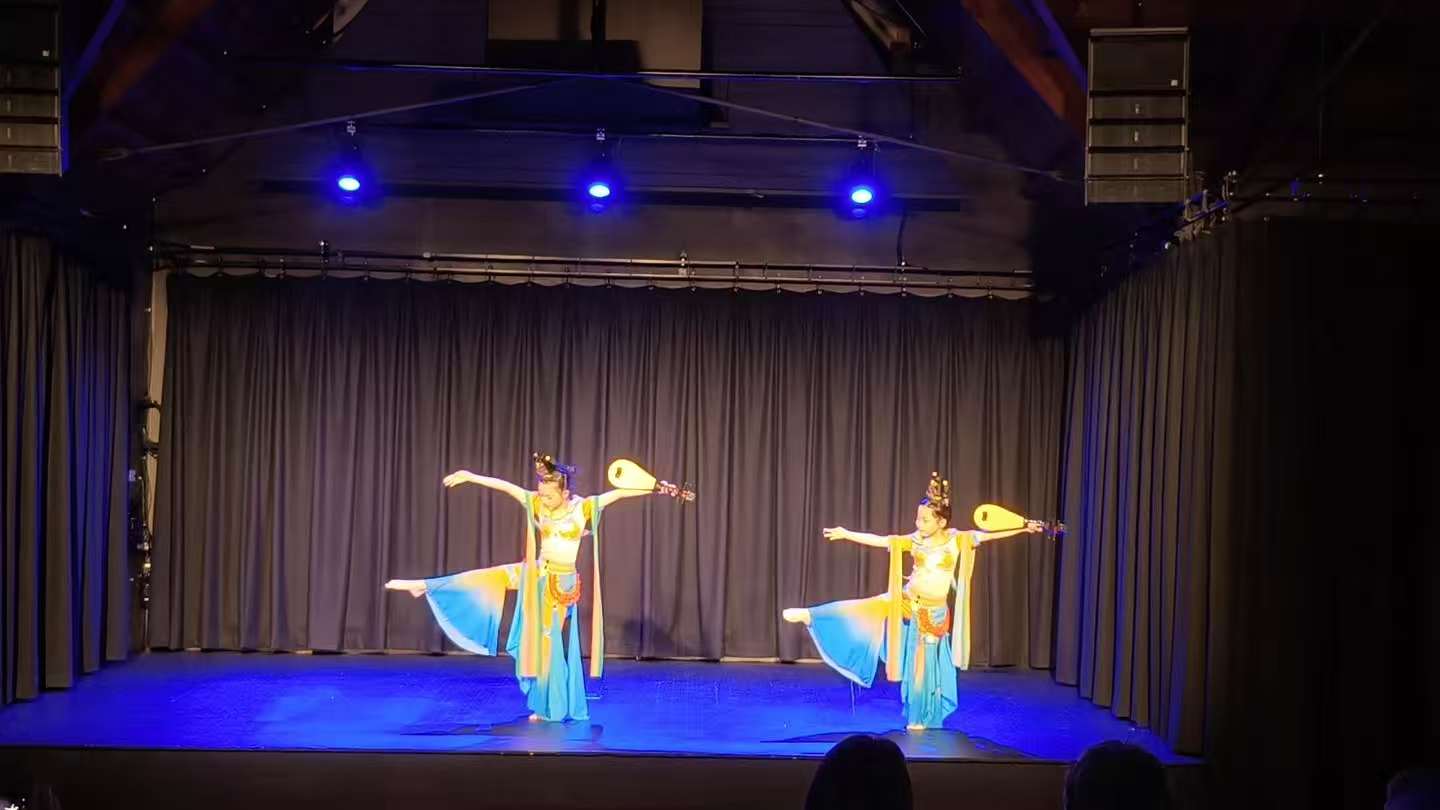
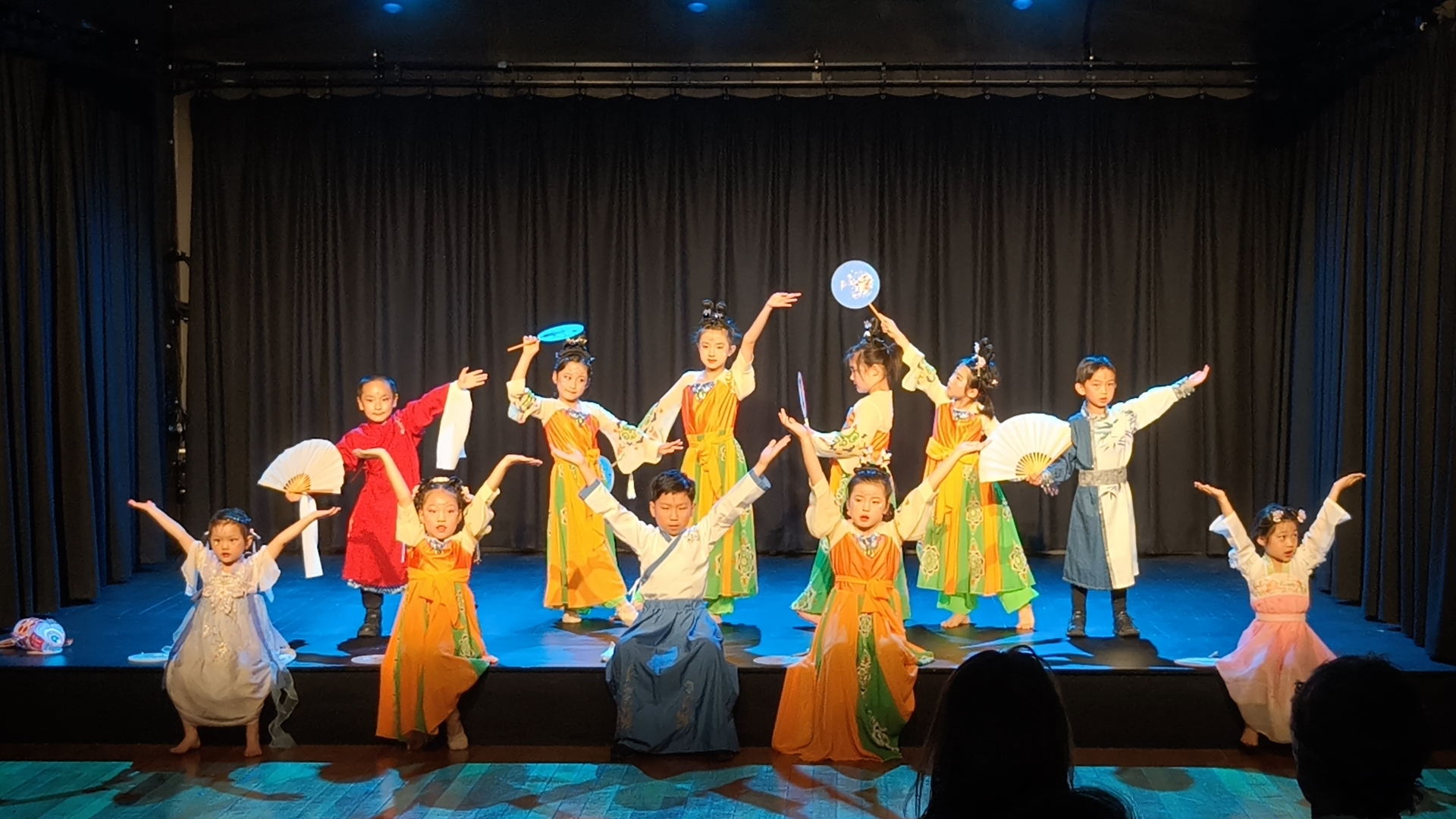
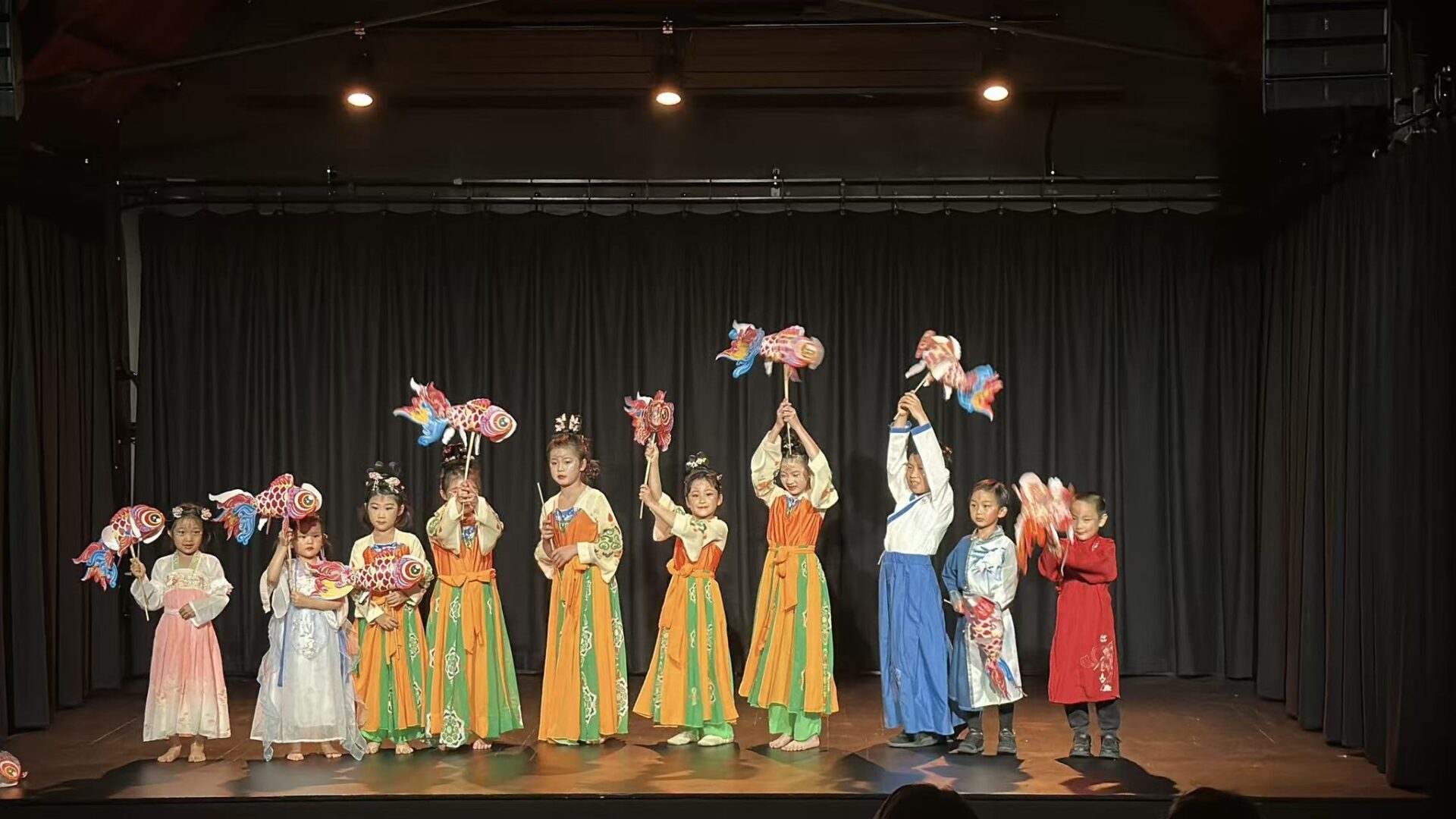
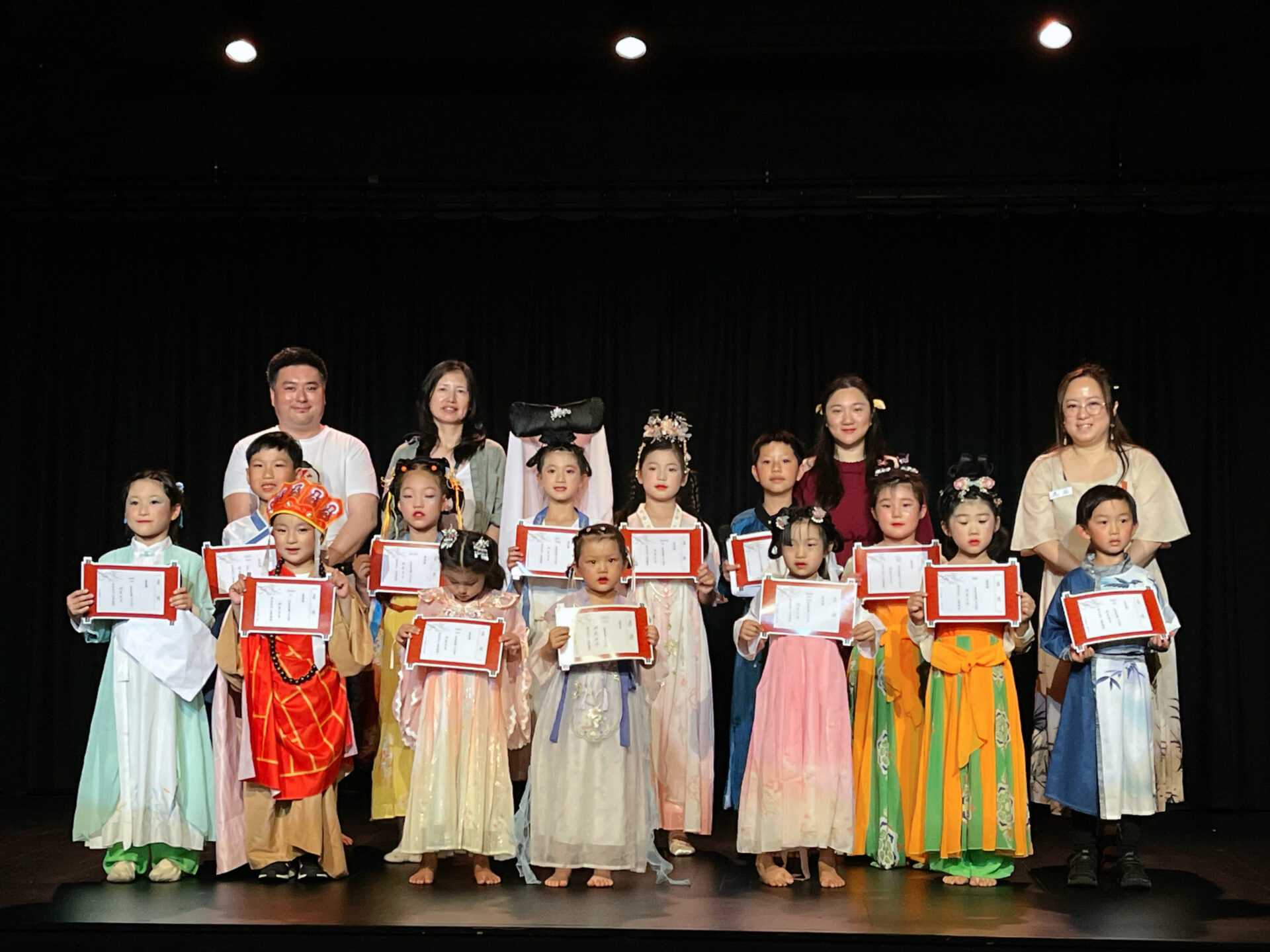
Their commitment has nurtured the Chinese Cultural Group at Mt Albert Grammar School — performing at Unity Concerts in 2022, 2023, and 2024, and proudly progressing to Polyfest in 2025.
Beyond cultural performance, they run youth basketball sessions to encourage teamwork, confidence, and peer networks — helping young people “build your own family when you don’t have one in NZ.”
With support from ANCAD’s Community Accounting programme, they strengthened their finance systems using Xero, and subsequently secured Auckland Council funding for cultural “snack performances” this year.
Across the community, there is a growing sense of pride and connection emerging from the Centre’s programmes. Young people speak of how empowering it feels to celebrate and express their Chinese identity within mainstream community events, where they are welcomed, visible, and valued.
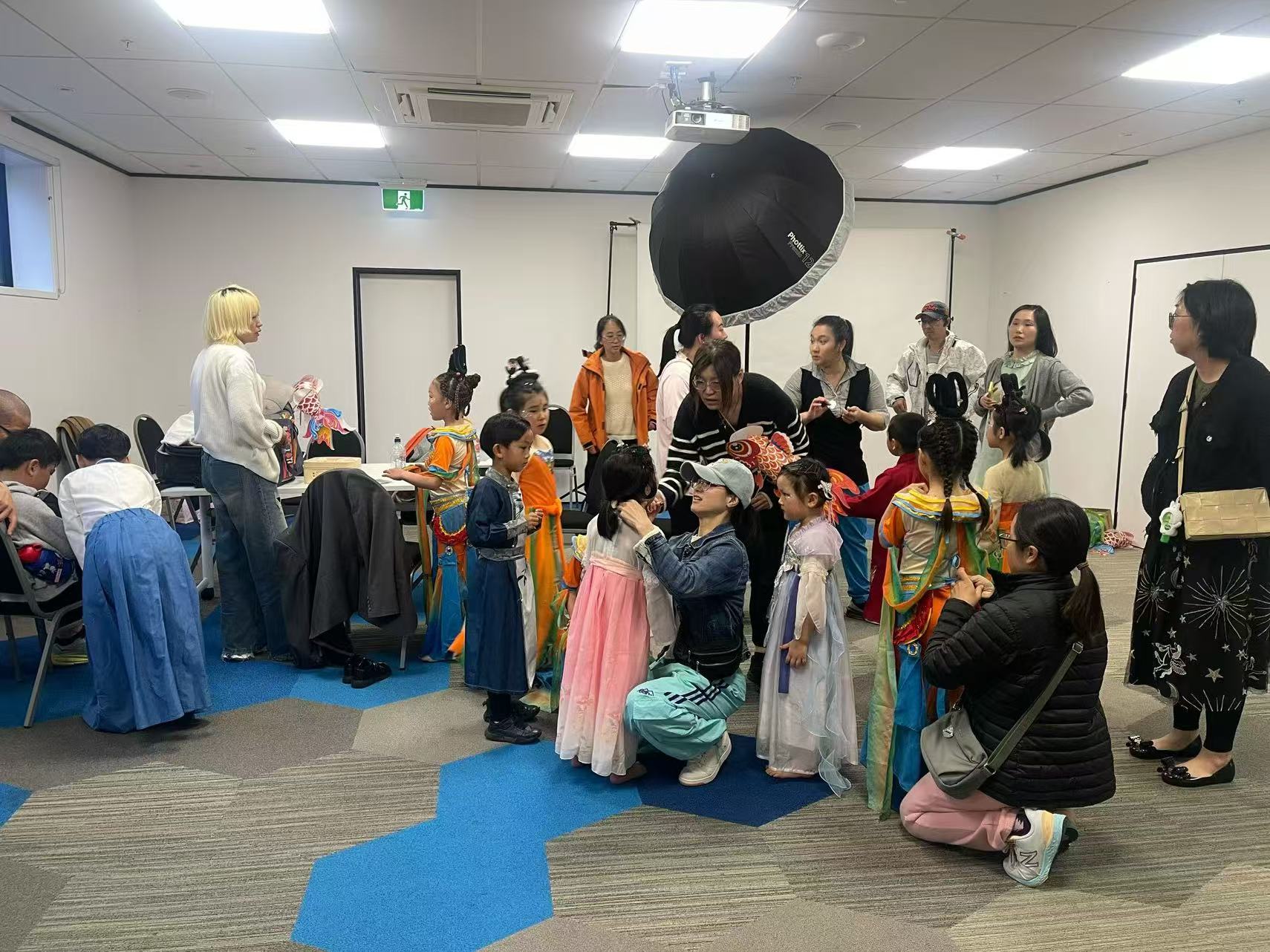
Parents echo this sentiment, noting that the environment their children enter each week is one where confidence is nurtured and leadership naturally begins to take shape.
Coaches and volunteers describe the basketball sessions as “whanaungatanga in action,” with friendships forming organically across different cultural backgrounds and young people discovering a shared sense of belonging.
Behind the scenes, the Centre has also taken significant steps to strengthen its governance and financial systems — work that is already paying off. With improved structures and accountability in place, the organisation is now better positioned to secure new funding and scale its programmes, ensuring these positive impacts can continue to grow across the wider community.
Cultural connectors working across our communities are consistently highlighting a few practices that make the biggest difference. First, it’s essential to meet people where they are — culturally, linguistically, and even geographically — recognising that true engagement starts with understanding the worlds they move in. Identity-building doesn’t happen in just one space, so supporting both arts and sports creates multiple pathways for young people to grow, express themselves, and belong. Another crucial investment is capability building: strengthening finance, governance, and strategic planning early on gives community groups the foundation they need for long-term success.
Just as important is giving young people opportunities to be visible; performances at events like Polyfest are incredibly empowering and help affirm cultural identity in ways that resonate far beyond the stage.
And finally, it’s vital to value the “informal families” that naturally emerge within community groups — often becoming the first place where new migrants feel at home, connected, and supported.
Those working closest with the young people describe a powerful journey unfolding before them. “When we first started, many of these children felt disconnected — unsure where they fit in Aotearoa. But through dance, through music, through sport, they have found pride and friendship.”
One leader shared that watching the group perform at Polyfest felt like a true milestone — not just for the children, but for the belief that their culture deserves a place on every stage in New Zealand. Another reflected on the deep sense of connection that has grown within the group over time: “Here, we build our own family. We show that belonging is something you create together.”
These lived experiences from the field capture the heart of what community spaces can make possible: confidence, cultural pride, and a homegrown sense of belonging.