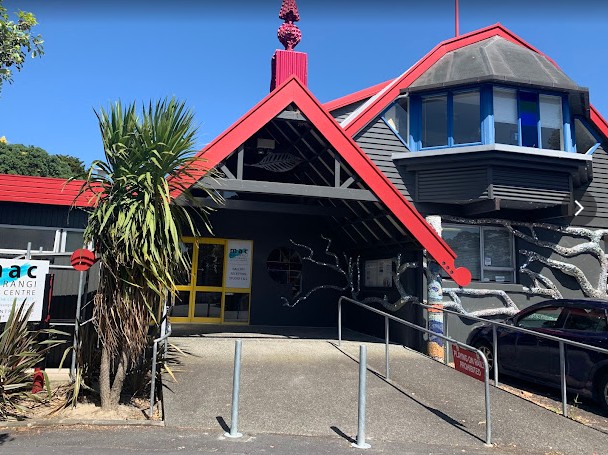
Creative Learning Centre – School Programme
Strengthening Readiness for Learning
by Deb Humphries (ANCAD)
The Creative Learning Centre (CLC) – School Programme pilot is a community‑led early intervention initiative focused on supporting the wellbeing of local intermediate students at risk from or currently excluded from school in the Eastern Bays.
In mid-March 2026, a 1 day a week (Tuesday) pilot programme began at Mairangi Arts Centre (MAC) with up to 10 students from Murrays Bay Intermediate. The school identifies students who would be best-suited to participate in the programme and provides teacher aide support.
The school programme pilot is being enabled through strategic collaboration between Mairangi Arts Centre (MAC), RESPECT, ANCAD, North Shore FVPN, Harbour Sport and Restore Hibiscus Bays. An innovative blend of arts, physical and environmental activities are supported as part of an overall relational, responsive, therapeutic approach with a semi-structured programme that gently links to curriculum areas identified by the schools.
A relatively high learner-adult ratio enables responsiveness to individual student needs through 1-1 time, with the programme team creating an environment where young people feel safe, heard, have fun, can be themselves and are connected with other supportive adults, activities and spaces in their community.
Programme Outcomes
Participants will develop a stronger sense of belonging within the group, helping reduce feelings of isolation. They will build a positive understanding of themselves, including greater emotional awareness and self-acceptance. From this foundation, they will strengthen their ability to form healthy relationships within the group and transfer these skills to wider social settings, such as school.
Programme Approach
This programme draws on the experiential learning model (ELM) developed by David A. Kolb and Ronald E. Fry, encouraging children to learn through doing, reflecting, and applying new skills in meaningful ways. Activities are designed to engage different learning styles, based on the VARK model (visual, auditory, reading/writing, and kinaesthetic), ensuring accessibility and inclusion for all participants.
The programme is also grounded in Te Whare Tapa Whā, a holistic Māori model of wellbeing that recognises the importance of balancing emotional (hinengaro), physical (tinana), social (whānau), and spiritual (wairua) health. This integrated approach supports children’s overall wellbeing while building practical skills to manage anxiety.
Programme Values / Principles
The programme is guided by the use of whakataukī (Māori proverbs), which provide meaningful, culturally grounded wisdom to support learning and reflection. These sayings are used to introduce key themes, encourage discussion, and help children connect ideas about wellbeing, relationships, and resilience to everyday life.
Drawing from Whakataukī supports a values-based approach that emphasises connection, respect, and shared understanding. It also reinforces cultural identity and inclusiveness, helping participants engage with the programme in a way that is both relevant and meaningful.
Overall Pedagogy
The programme is underpinned by Abraham Maslow’s hierarchy of needs, recognising that children must feel safe, secure, and a sense of belonging before they can fully engage in learning and personal growth. Creating a supportive and predictable group environment is therefore a key foundation of the programme.
It also draws on William Schutz’s theory of three interpersonal needs. The programme intentionally supports:
- Inclusion – helping children feel accepted and part of the group before deeper engagement can occur (social level)
- Control – supporting children to develop a sense of agency and appropriate participation in group behaviour (balancing leadership and autonomy)
- Affection – fostering trust, connection, and positive interpersonal relationships within the group
Together, these frameworks guide how the group is structured and facilitated, ensuring children feel safe, connected, and able to build healthy relationships with themselves and others.
Tracking Impact and Demonstrating Success – Firming up our approach
An iterative, learning by doing, co-design approach involving both project delivery partners and students continues to shape and refine the CLC School Programme, with a plan, act, evaluate approach driving programme evolution and adaptions in real time.