Talanoa Tupuaga: Growing Pacific capability through connection, culture, and confidence
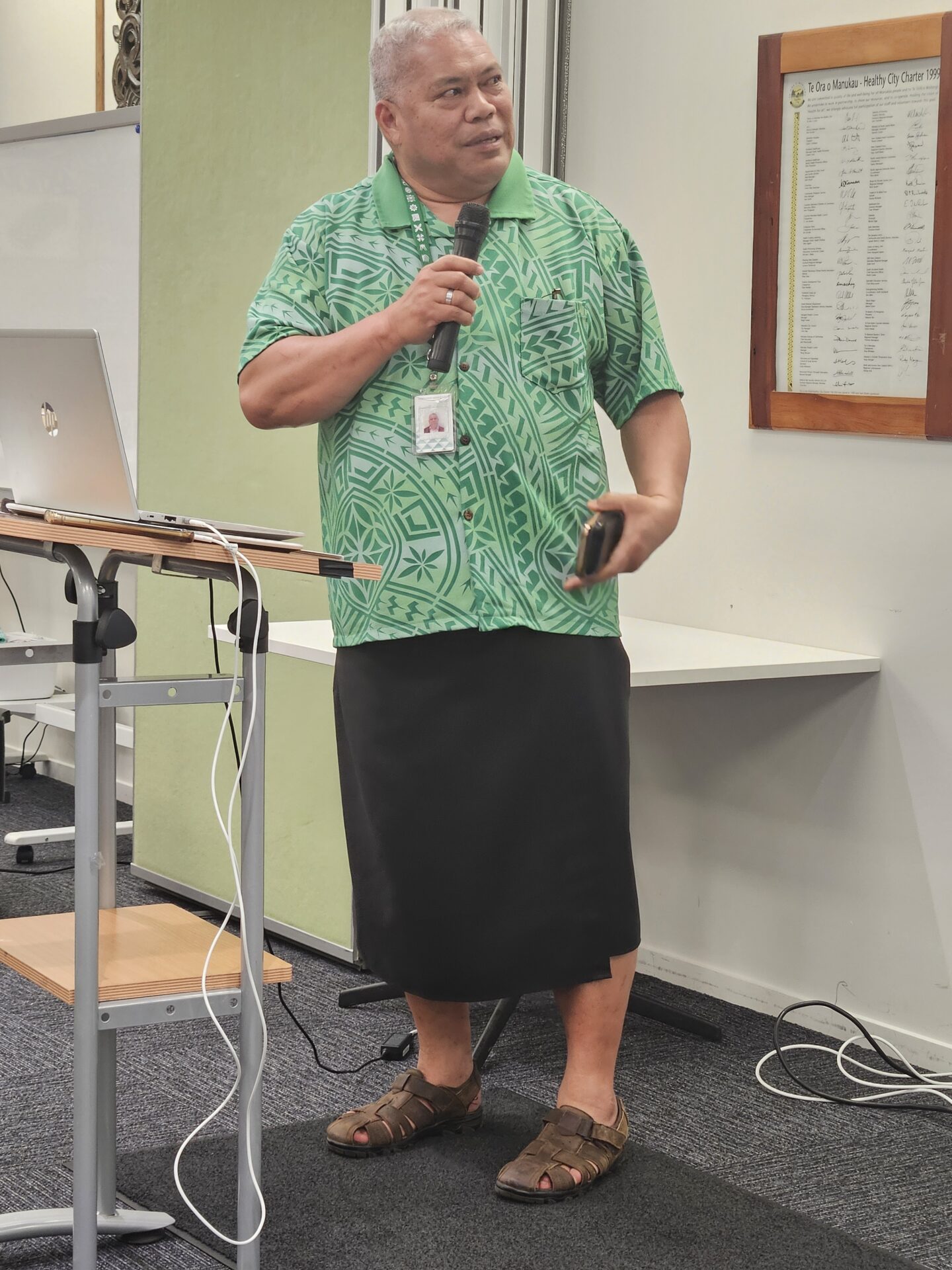
By Clark Tuagalu
The inaugural Talanoa Tupuaga Pacific Capability Building Incubator wrapped up in 2025, and looking back, what stands out most is the sense of connection, confidence, and cultural grounding that grew across the weeks.
This series brought together a small but committed group of Pacific leaders and emerging leaders who arrived with different experiences, responsibilities, and aspirations, but all holding the same desire – to strengthen their organisations and the communities they serve.
From the beginning, our approach was simple: create a safe, welcoming, culturally anchored space where people could learn, ask questions, share openly, and build practical capability at a pace that suited them.
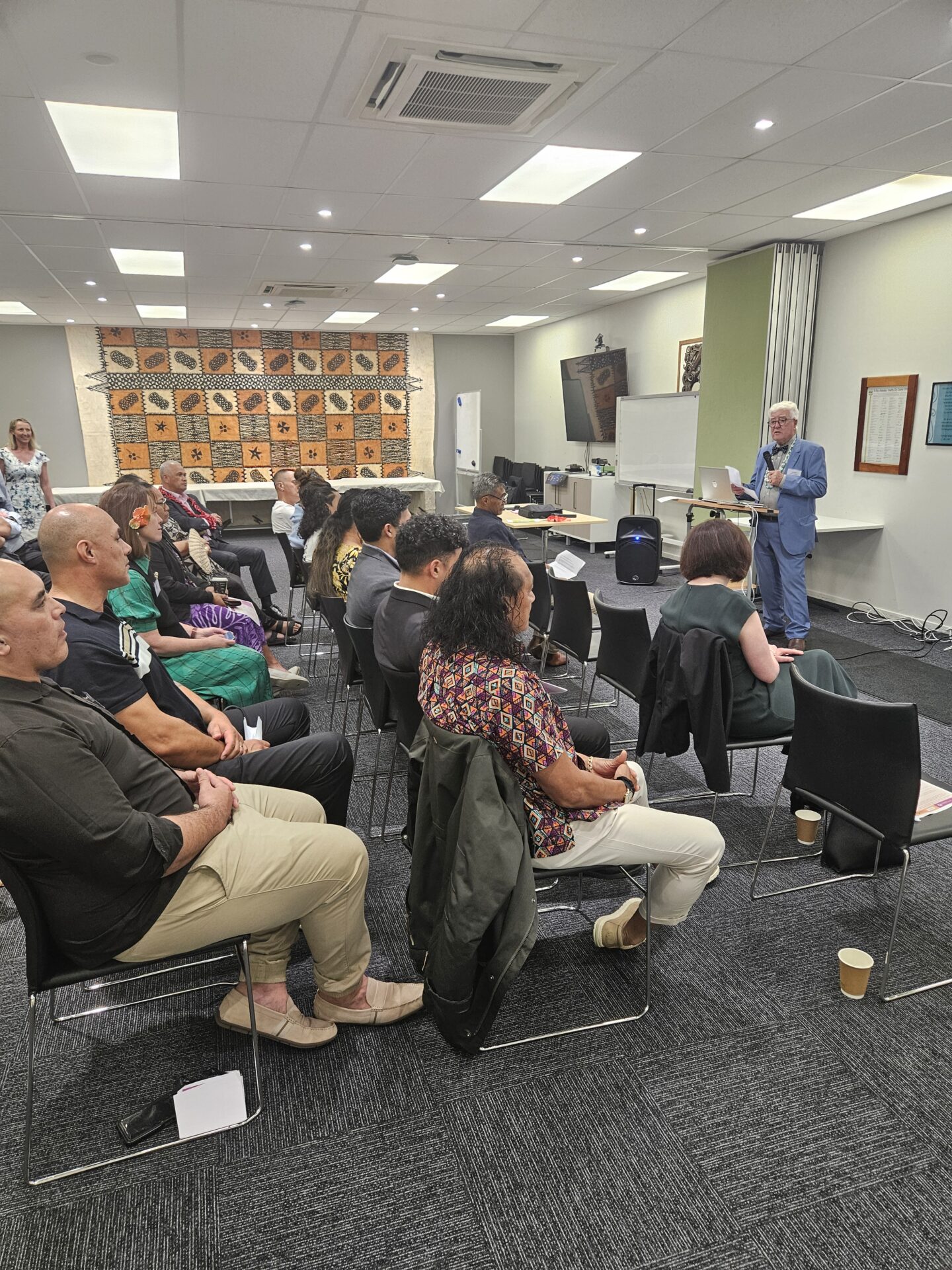
Holding the programme at the Ministry of Pacific Peoples offices in Manukau made a big difference. It was central for participants travelling from South and West Auckland, and the evening sessions fitted well around work and family responsibilities.
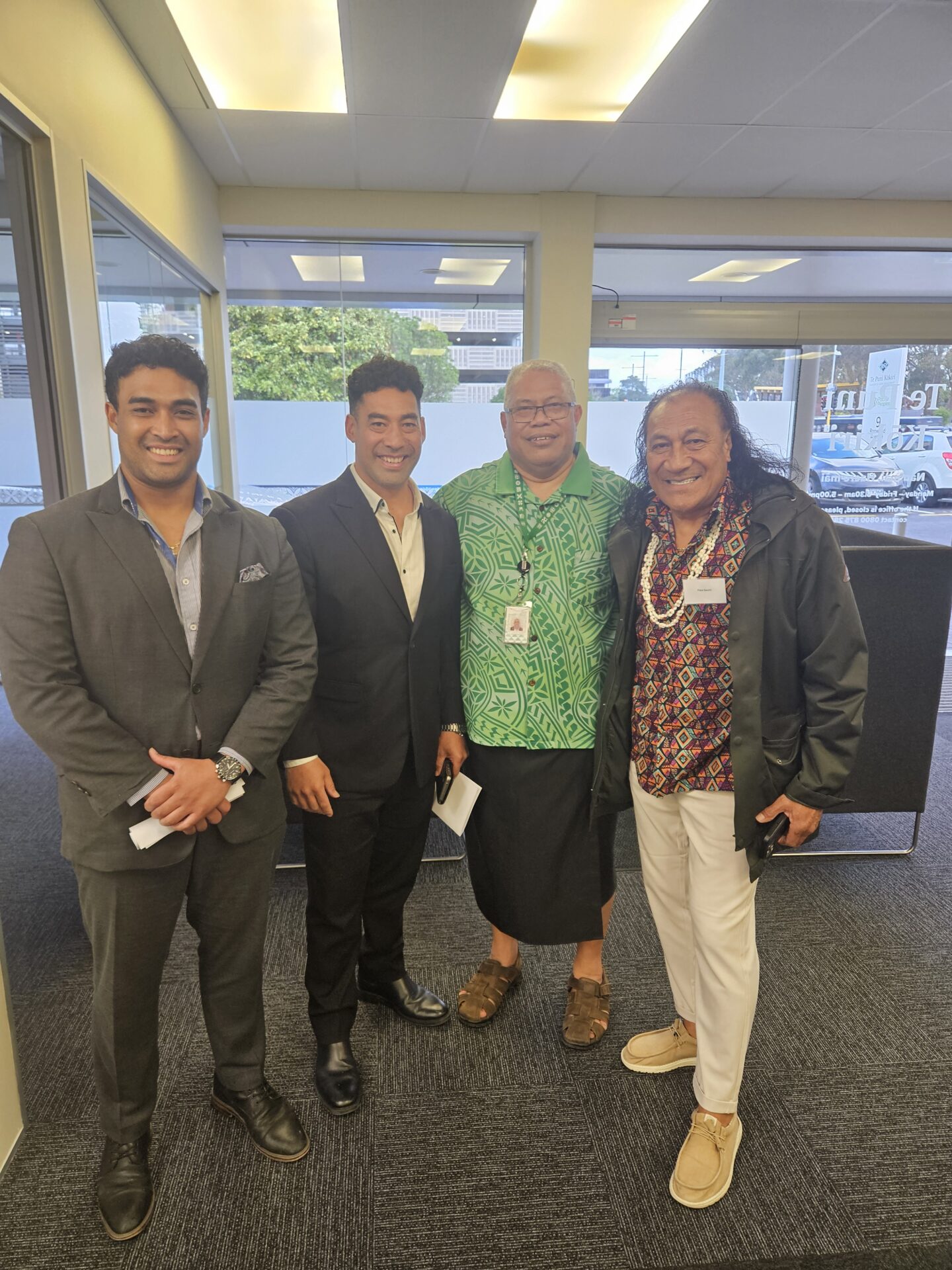
The environment at MPP played a huge role in the success of the programme. The room had a warm, steady feel that helped people settle quickly and engage. Our hosts, Losi and Leotele, were outstanding. Every week they chaperoned the setup of the venue, ensured everything we needed was in place, welcomed our participants, and stayed with us right through until packing down at the end of each session. Their consistency, care, and hospitality helped create a sense of safety, stability, and belonging that carried through the whole series. We are deeply grateful to them and to MPP for providing an ideal home for the programme.
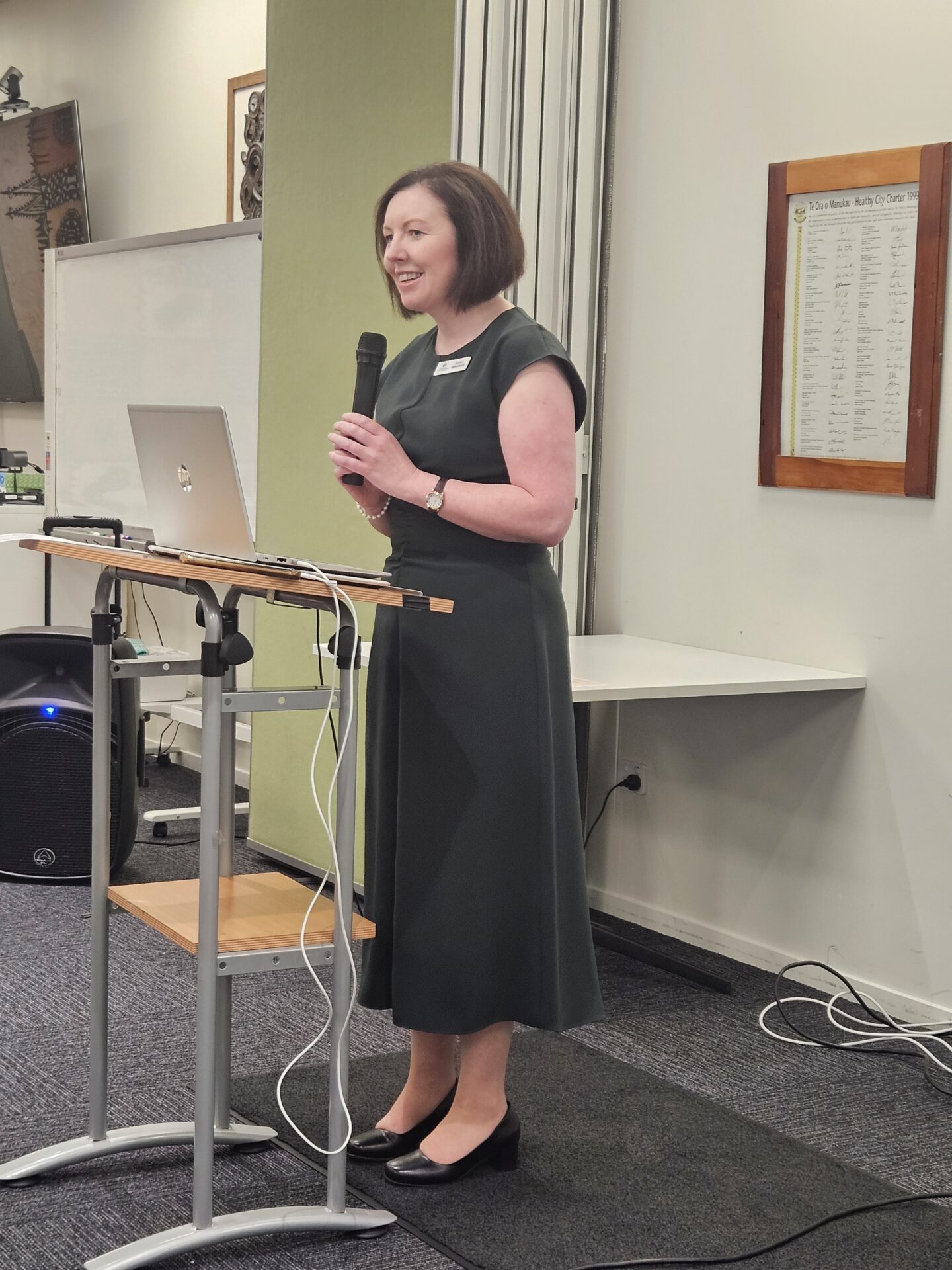
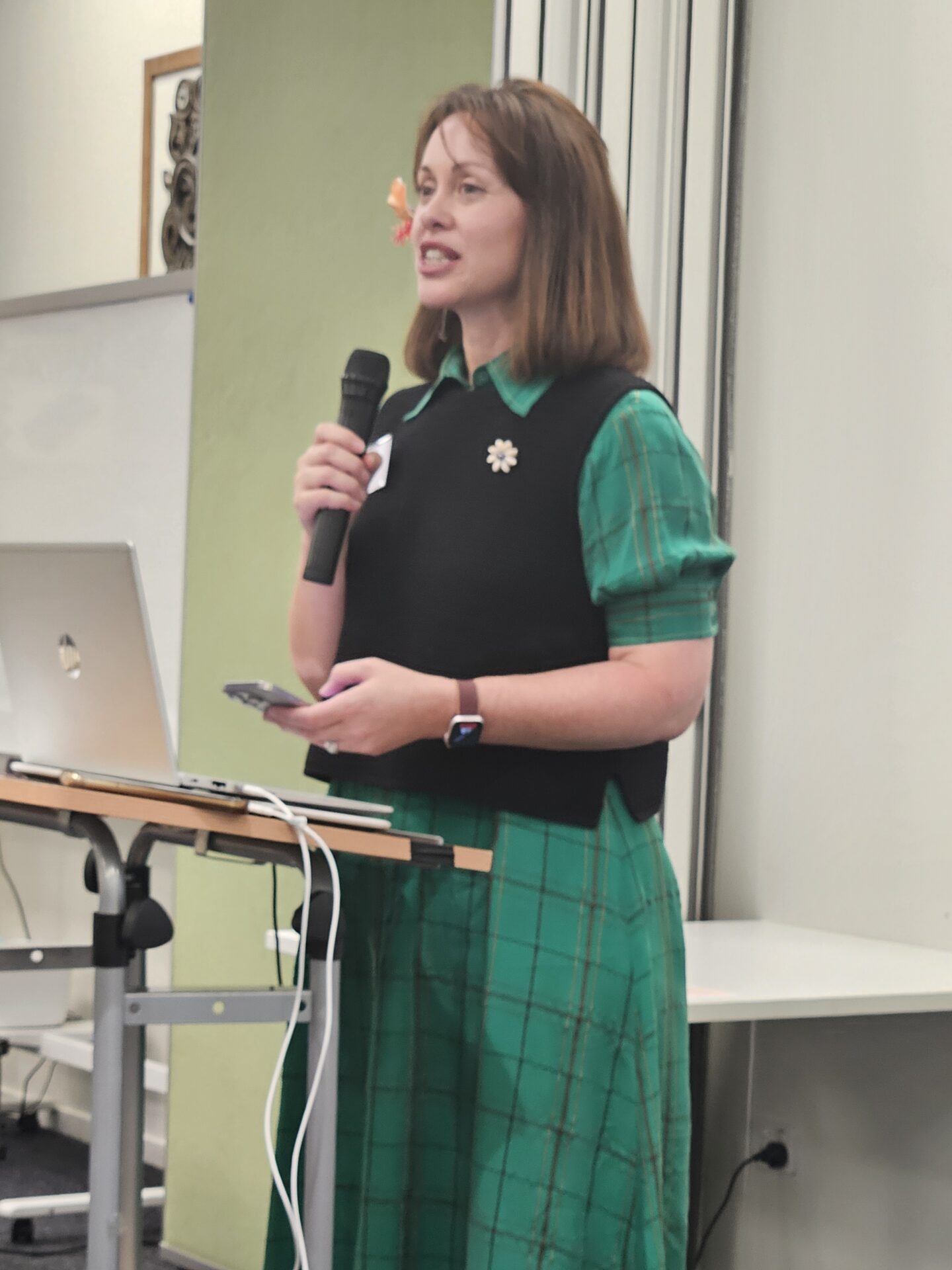
Across the programme we explored governance, leadership, communication and promotions, funding and finance, and strategic planning. A unique feature of this series was the way our internal ANCAD team worked together to deliver it. This was not a siloed effort. It was a genuine collective contribution. We were fortunate to have deep-dive sessions led by Simon Ritchie on communications and promotions, Glen Hill on financial literacy and organisational finance, and Fiona Brennan on leadership, values, and the wider purpose of the mahi. Their input provided variety, depth, and practical insights that resonated strongly with participants.
We were also grateful for the session led by Lautalie Schmidt-Geen, who introduced AI tools and digital capability strategies. Many participants found this session particularly energising because it opened new possibilities for promoting their organisations and working more efficiently.
Participants often commented on how helpful the programme was in building their confidence and understanding of key areas that once felt overwhelming. One participant shared that the communications and AI tools “opened my eyes to how much more we can do for our organisation with the right support.” Another reflected that governance and leadership discussions helped them “understand my role better and feel more confident stepping forward.”
Behind the scenes, as mentioned already, this programme was made possible through strong internal teamwork. I want to acknowledge Helen Kerslake-Forbes, our very competent administrator, whose support ensured the logistics, communication, and coordination ran smoothly throughout the series. Her contribution, along with the backing of the wider ANCAD team, made it possible to launch and deliver this programme with care and consistency.
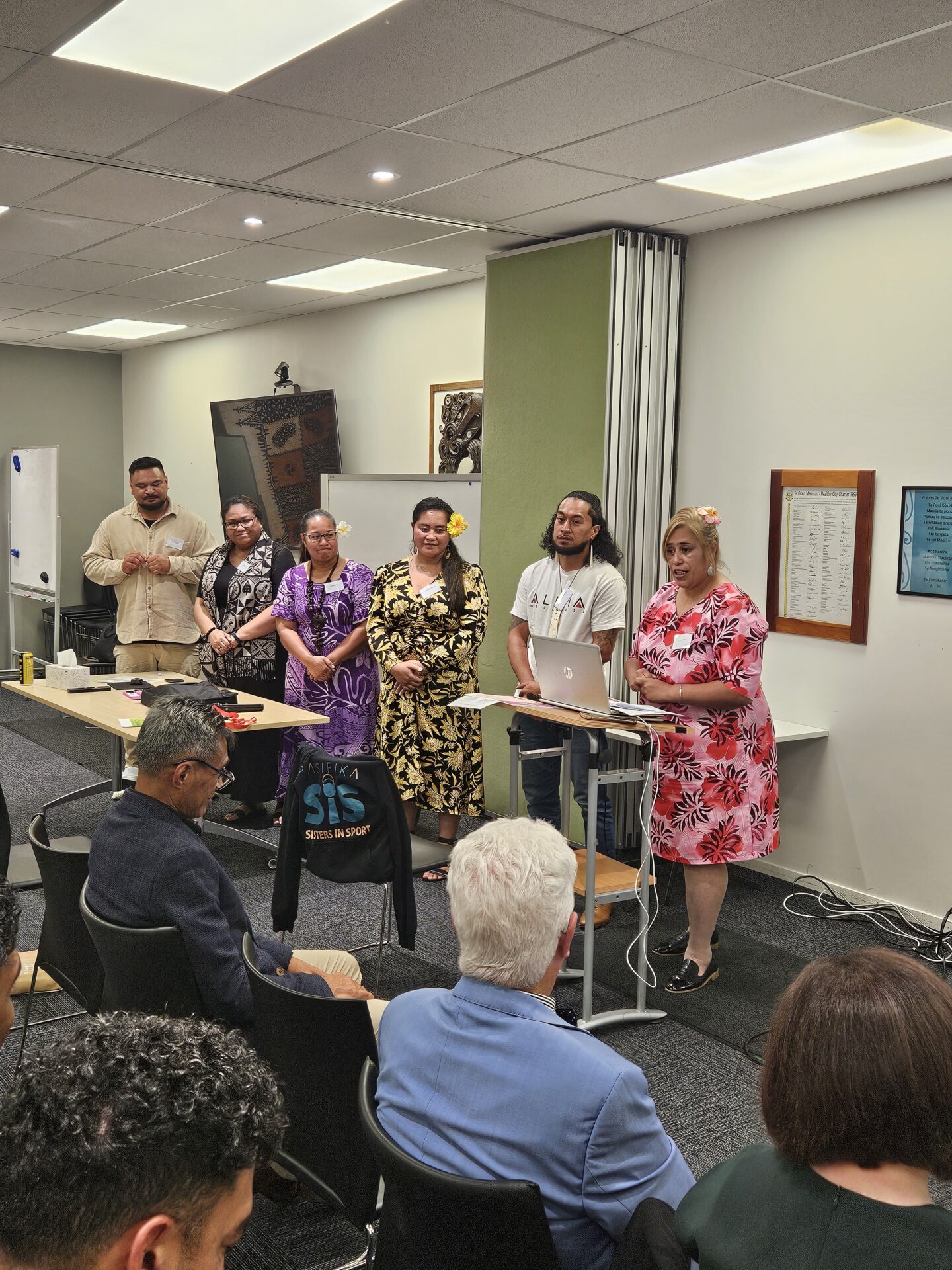
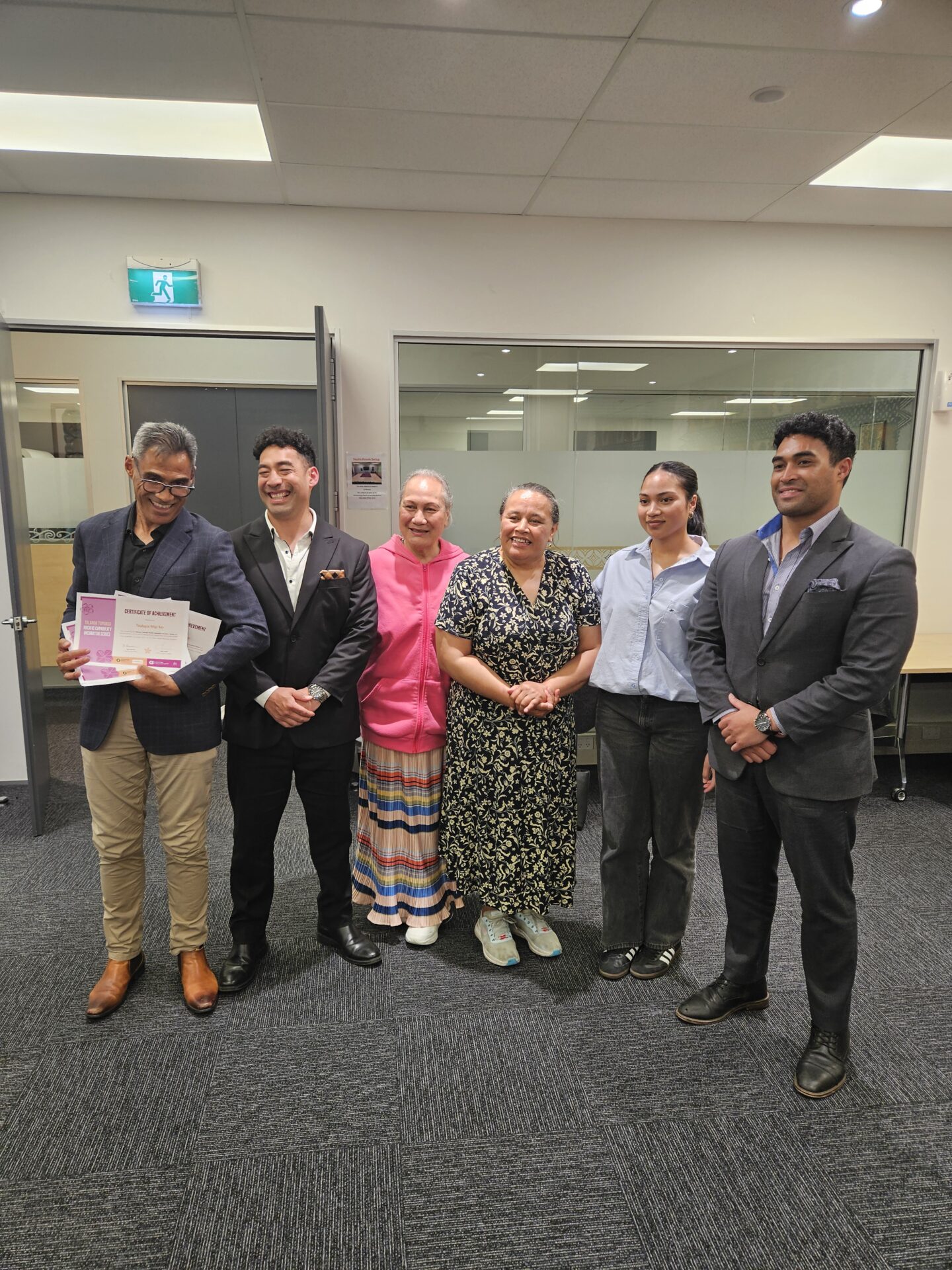
The final showcase on 21 October was a powerful celebration of the participants’ journey. They spoke confidently about their organisations, their values, and the growth they experienced. Their families filled the room with pride, support, and encouragement. It was a reminder that capability building in our Pacific communities is not only about technical skill – it is also about identity, confidence, and belonging.
Most importantly, I want to acknowledge our participants, who took a punt on a brand-new programme. They arrived not knowing what to expect, but they trusted the process, leaned into the learning, and shaped the direction of the series through their honesty and courage. Without them, this course would not exist. I hope that the pain points they brought to the table were answered in meaningful ways, and that their organisations are now thriving, succeeding, or beginning to bear the early fruits of what they planted during the programme. Their commitment was the heartbeat of Talanoa Tupuaga.
We are also grateful to Foundation North, who supported this programme from the beginning. They took a risk on an idea that had not yet been tested, and their faith in the kaupapa allowed us to bring this vision to life. It paid off, and we thank them sincerely for backing our community-led approach.
What was accomplished in this pilot series was more than content delivery. It was the strengthening of people – their clarity, their purpose, their leadership, and their belief that they can continue to grow and contribute meaningfully to their communities.
As we look toward 2026, the foundation laid by this group provides real hope for what the programme can continue to become. Talanoa Tupuaga has shown that when we bring Pacific people together in the right environment, with the right supports, learning becomes powerful, relational, and transformative.